

- Safiu Kehinde
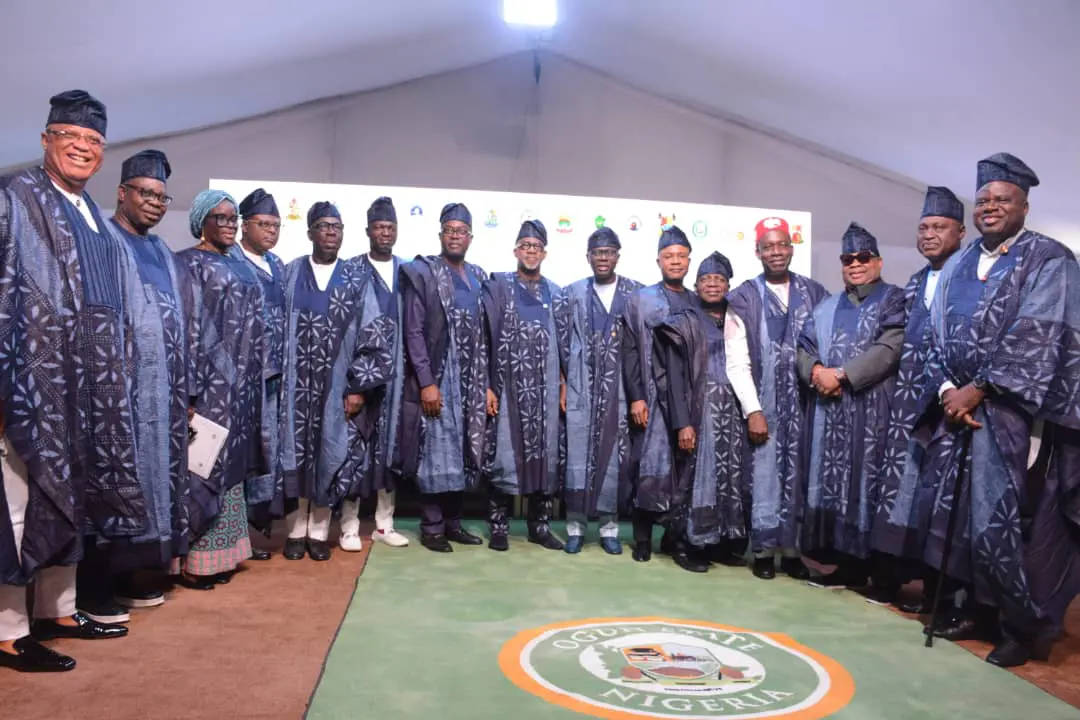
The Socio-Economic Rights and Accountability Project (SERAP) has dragged the Federal Capital Territory (FCT) Minister, Nyesom Wike, and the 36 Nigerian state governors to court over alleged failure to account for the spending of the N14trn fuel subsidy savings.
NPO Reported that SERAP had earlier demanded an account from each state governments and the FCT administration over the fund received from the Federation Account Allocation Committee (FAAC), including details of projects executed with the money, and the completion reports on the projects.
The organisation alleged that the 36 governors and the FCT minister have collected trillions of naira from FAAC allocations as fuel subsidy savings since mid-2023 with none of them translating into improved access to quality healthcare and education for poor and vulnerable Nigerians.
SERAP, in the suit number FHC/L/MSC/1424/2025 filed last Friday at the Federal High Court, Lagos, asked the court to direct and compel the governors and Wike to disclose the details of the spending of the increased FAAC allocations being savings from the removal of fuel subsidy in May 2023.
As contained in a statement issued on the organisation’s official website on Sunday, SERAP also asked the court to compel the governors and Wike to disclose details and the location of the projects executed, if any, with the increased FAAC allocations from the savings from the removal of fuel subsidy.
It argued that Nigerians ought to know in what manner public funds including fuel subsidy savings, are spent by the governors and FCT minister.
SERAP maintained that the constitutional principle of democracy also provides a foundation for Nigerians’ right to know the spending details of the money collected from the savings from the removal of fuel subsidy.”
It also argued that there is a legitimate public interest for the governors and the FCT minister to urgently explain how they have spent the money they have so far collected from the subsidy savings.
The suit filed on behalf of SERAP by its lawyers Oluwakemi Agunbiade and Valentina Adegoke, read in part: “There is a significant risk of mismanagement or diversion of funds linked to the increased FAAC allocations collected by the states and FCT.”
“The spending details of the money collected by several states and the FCT from fuel subsidy savings have been mostly shrouded in secrecy.”
“Millions of poor and vulnerable Nigerians have not benefited from the trillions of naira collected by the governors and FCT minister from as a result of the subsidy savings. Nigerians continue to face a worsening poverty crisis.”
“Several states are also reportedly spending public funds which may include fuel subsidy savings to fund unnecessary travels, buy exotic and bulletproof cars and generally fund the lavish lifestyles of politicians.”
“There are continuing reports of widespread poverty, underdevelopment and lack of access to public goods and services in several states.”
“Directing and compelling states and FCT to disclose the details of the spending of the money collected as fuel subsidy savings would allow Nigerians to scrutinise them, and to public officials to account on the spending of public funds.”
“The states and FCT may have failed to transparently and accountably manage the allocations collected from the fuel subsidy savings.”
“Nigerians have the right to know how their states and FCT are spending the savings from the removal of fuel subsidy as part of their human right to information.”
“Combating the corruption epidemic in the spending of the money collected would alleviate poverty, improve access of Nigerians to basic public services, and enhance the ability of states and FCT to effectively and efficiently discharge their responsibilities.”
“The Federation Account Allocation Committee (FAAC) in 2024 distributed N28.78 trillion from the removal of subsidy on petrol to the three tiers of government, representing a 79 per cent increase from the previous year.”
“State governments’ allocations increased by 45.5 per cent to N5.22 trillion. Monthly distributions in 2025 have reportedly exceeded N1.6 trillion.”
“However, despite the increased allocations of public funds to states and FCT, millions of poor and socially and economically vulnerable Nigerians have not benefited from the savings.”
“Many states reportedly owe civil servants’ salaries and pensions. Several states continue to borrow to pay salaries. Millions of Nigerians resident in several states and the FCT continue to be denied access to basic public services.”
“Several years of allegations of corruption and mismanagement in the spending of public funds by several states and entrenched impunity of perpetrators have undermined public trust and confidence in governments at all levels.”
“Section 15(5) of the Nigerian Constitution 1999 (as amended) requires public institutions to abolish all corrupt practices and abuse of power. Section 16(2) of the Nigerian Constitution further provides that, ‘the material resources of the nation are harnessed and distributed as best as possible to serve the common good.’”
“Section 13 of the Nigerian Constitution imposes clear responsibility on public institutions including states and FCT to conform to, observe and apply the provisions of Chapter 2 of the constitution.”
“Nigeria has made legally binding commitments under the UN Convention against Corruption to ensure accountability in the management of public resources. Articles 5 and 9 of the Convention also impose legal obligations on states and FCT to ensure proper management of public affairs and public funds.”
“The Supreme Court in a groundbreaking judgment declared that the Freedom of Information Act ‘is applicable and applies to the public records in the Federation’, including those relating to the spending of the subsidy savings kept by states and FCT.”
“With the landmark judgment, the Supreme Court has made clear that state governors can no longer hide under their unfounded claim that the Freedom of Information Act does not apply to them.”
Meanwhile, no date has been fixed for the hearing of the suit.