

-
To open Strait of Hormuz
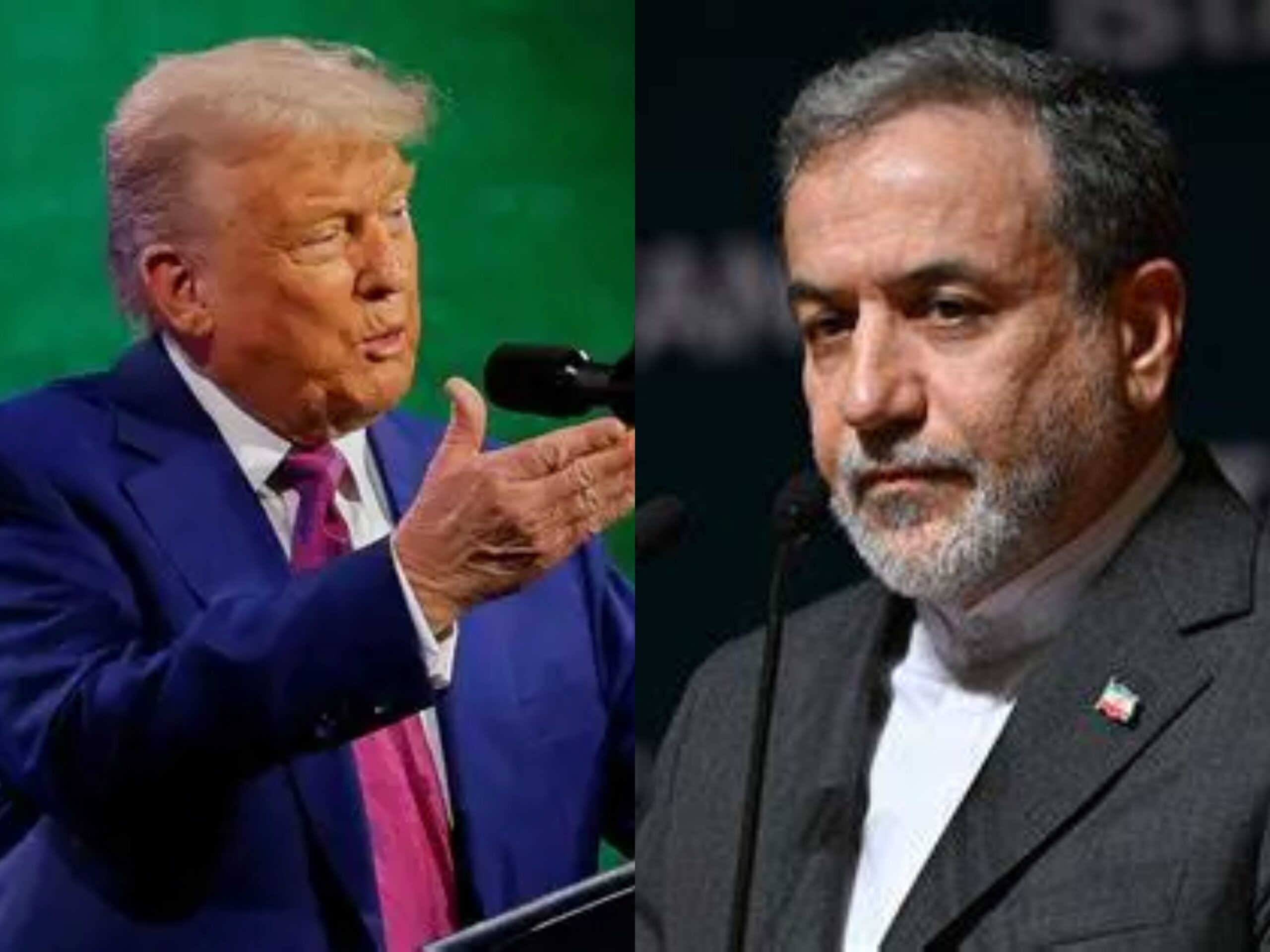
The United States President, Donald Trump, says he agrees to a proposed two-week ceasefire between the US and Iran if shipping is allowed to move through the Strait of Hormuz.
Iranian Foreign Minister Abbas Araghchi says Tehran will agree to the end in fighting “if attacks against Iran are halted”.
Iran gave a 10-point ceasefire plan – including compensation.
Israel says it supports Trump’s decision to suspend strikes on Iran, but the two-week ceasefire “does not include Lebanon”. Pakistan’s prime minister says it does
The ceasefire came just over an hour before Trump’s 20:00 EDT (01:00 BST) deadline for Iran to make a deal or else a “a whole civilisation will die”
Pakistan, which has been acting as a mediator, has invited both sides for talks in Islamabad on Friday.
Iran is claiming a big victory, our Persian correspondent writes – but no matter what it says, it is in a very weak position.
Oil prices have fallen sharply since the ceasefire announcement, now trading well under $100 a barrel.
The announcement of a ceasefire between the US and Iran happened in the early hours of the morning here, and – as we have reported – it is still not clear if it does or does not include Lebanon.
There has been no immediate reaction from either the Lebanese government or Hezbollah.
For Lebanon, the war has been devastating. Over 1.2 million people have been displaced, about a fifth of the population, and more than 1,500 people have been killed.
Villages near the border have been destroyed as invading Israeli troops aim to create what the Israeli authorities call a security buffer zone to push Hezbollah away. This has raised fears that some areas may be occupied even after the war, and that families may never be able to return.
Israeli officials had indicated their intention to continue with their campaign in Lebanon even if there was a deal with Iran.
Observers and some in Israel have expressed surprise with Hezbollah’s capabilities. It was widely believed to have been weakened severely in the last war that ended in November 2024.
Hezbollah has frequently launched rockets and drones into northern Israel and confronted Israeli troops in southern Lebanon.
It has faced strong criticism inside Lebanon, where many blame it for dragging the country into an unwanted war.
Israel’s leader of opposition, Yair Lapid, has criticised Benjamin Netanyahu’s handling of the war – after the Israeli prime minister issued a statement overnight in support of President Trump’s ceasefire.
Netanyahu’s says the two-week ceasefire will not include Lebanon – although Iran and Pakistan have both say it will.
Lapid calls the situation a “political disaster” for Israel.
“Israel was not even at the table when decisions were made concerning the core of our national security,” the opposition leader says.
“The army did everything they asked of it, the public displayed incredible resilience, but Netanyahu failed politically, failed strategically, and did not meet any of the goals he himself set.” BBC