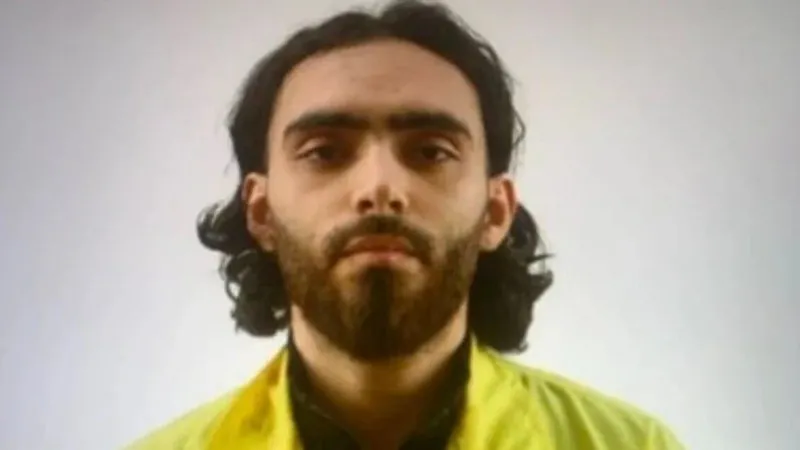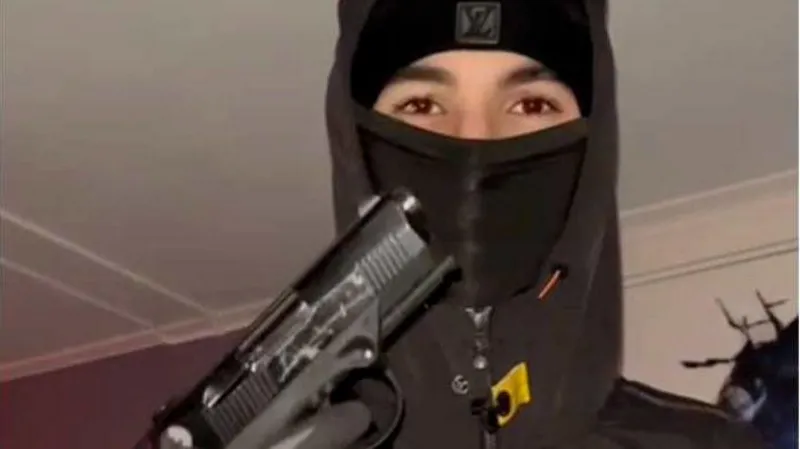
In a Stockholm suburb a man dressed in black appeared out of the winter night. Carrying a handgun, he approached 20-year-old Murad Abdelkader, a student on his way back from a shift at McDonald’s.
The gunman opened fire, shooting again and again as he approached his target. He fired the last shot into his victim’s head as he lay helpless on the ground.
The killer was 18-year-old Atilla Azimov. On that February night last year, he had killed the wrong man.
He had done it for money – hired by the Foxtrot Network, an organised crime group with links to the Iranian regime which has become notorious for its violence-as-a-service (VaaS) tactics.
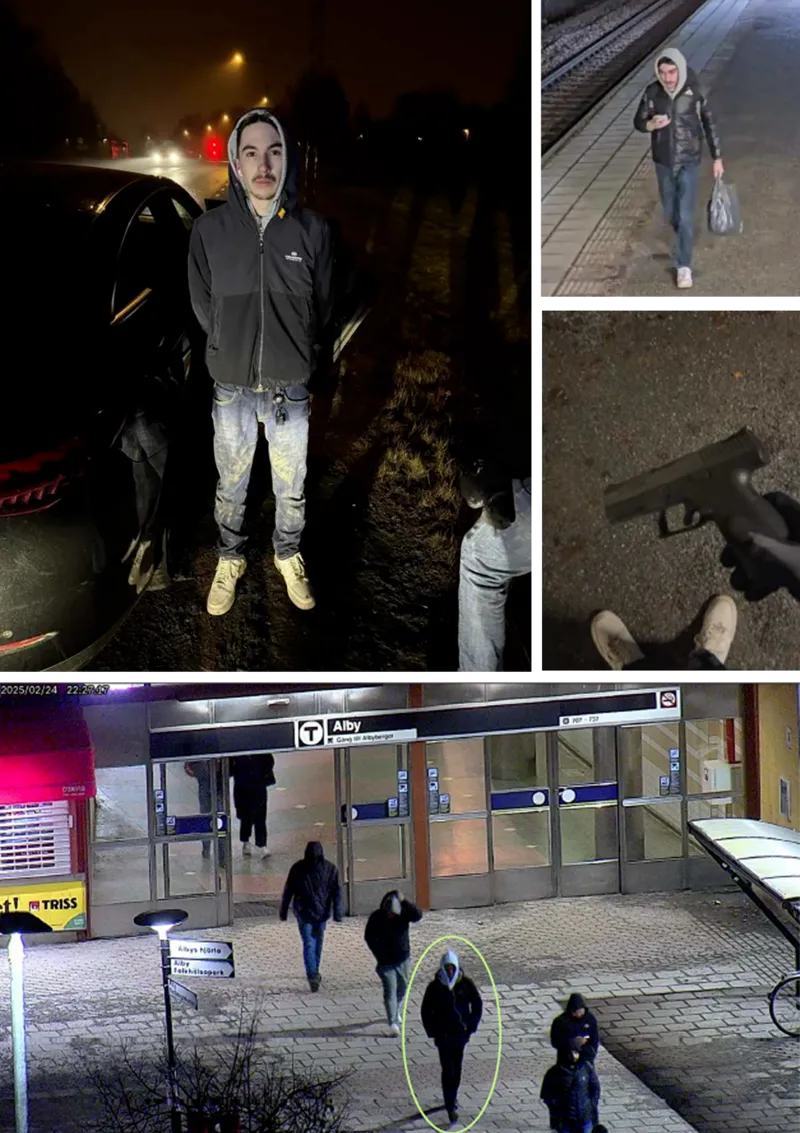
Since 2022, the Foxtrot Network is thought to have been responsible for about 35 murders as well as a number of attacks and attempted attacks on Israeli targets in Europe including two involving explosives and hand grenades.
The gang recruits teenagers to carry out the attacks for cash, but it almost never has to pay out as they often get caught.
Like Johannes Natland, a Norwegian teenager who was convicted of conspiracy to murder by a jury at the Old Bailey in London on Wednesday for a planned killing in West Yorkshire.
According to Operational Taskforce (OTF) GRIMM, the Europol group set up to tackle the problem, the teenage hitmen are recruited on social media, and are given their instructions in a “gamified” way, imitating how computer games work.
Andy Kraag, the head of Europol’s European Serious and Organised Crime Centre, calls it the “calculated outsourcing of murder” to vulnerable young people.
OTF GRIMM currently involves 11 countries affected by the VaaS phenomenon – Belgium, Denmark, Finland, France, Germany, Iceland, the Netherlands, Norway, Spain, Sweden, and the United Kingdom.
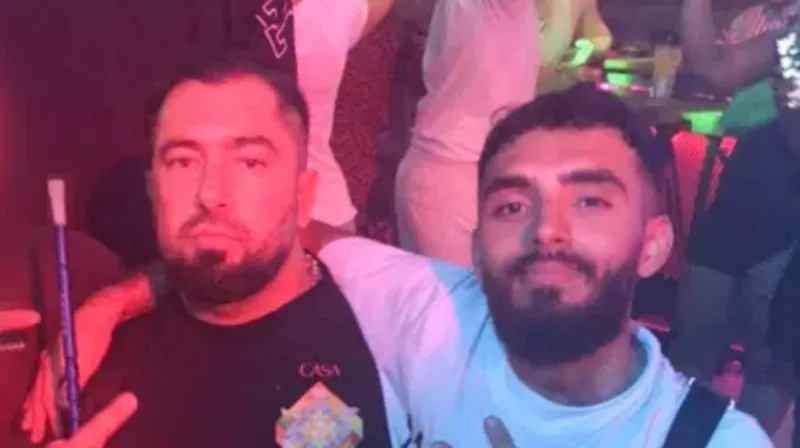
The leader of the Foxtrot Network, Rawa Majid, has fled Sweden and his later operating base in Turkey, and is now based in the Iranian capital Tehran. Police believe some of the VaaS attacks have been carried out for the Iranian regime, including a hand grenade attack on the Israeli embassy in Copenhagen, though other attacks are part of Foxtrot’s drugs turf wars.
Diamant Salihu, an investigative journalist for the Swedish broadcaster SVT, has been researching Foxtrot and its Iranian links for three years.
“The regime is ordering the leader of the Foxtrot Network to instigate his network to commit attacks against the Iranian regime’s enemies,” he said.
“It can be dissidents, journalists that are in the opposition against the regime, and it can also be Israeli targets.”
The links to the Iranian regime started after October 2023 when Majid fled to Tehran, Salihu said.
“He had to make a deal to be able to live freely in Iran, under condition that he and his network work for the regime.”
The Foxtrot Network and Majid were sanctioned by the UK government in April 2025.
That was the month after the arrest of Natland, who was 18 at the time. He had flown in to carry out a hit on behalf of Foxtrot somewhere near Huddersfield.
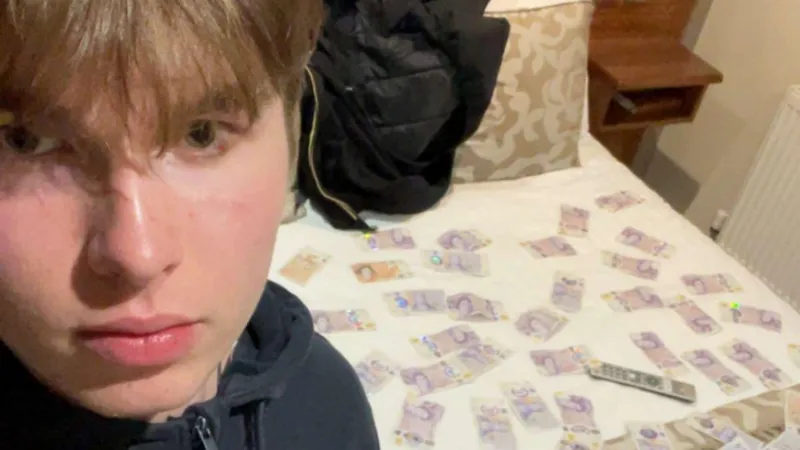
The Natland case illustrates how the VaaS system works.
Natland is the son of two journalists in Stavanger and had a comfortable upbringing, but he drifted into drugs and developed psychosis, ending up spending time in rehab and a short period in a children’s home. There he met another teenager who used the online handle UnknownHustler.