

- Safiu Kehinde
The Nigeria Football Federation (NFF) has debunked claims of FIFA awarding the Super Eagles the World Cup Qualification slot in its verdict on Nigeria’s protest against the Democratic Republic of Congo Football Federation.
This is coming under the heels of ongoing controversies over FIFA’s alleged verdict disqualifying DR Congo for fielding ineligible players during their World Cup playoffs last year November.
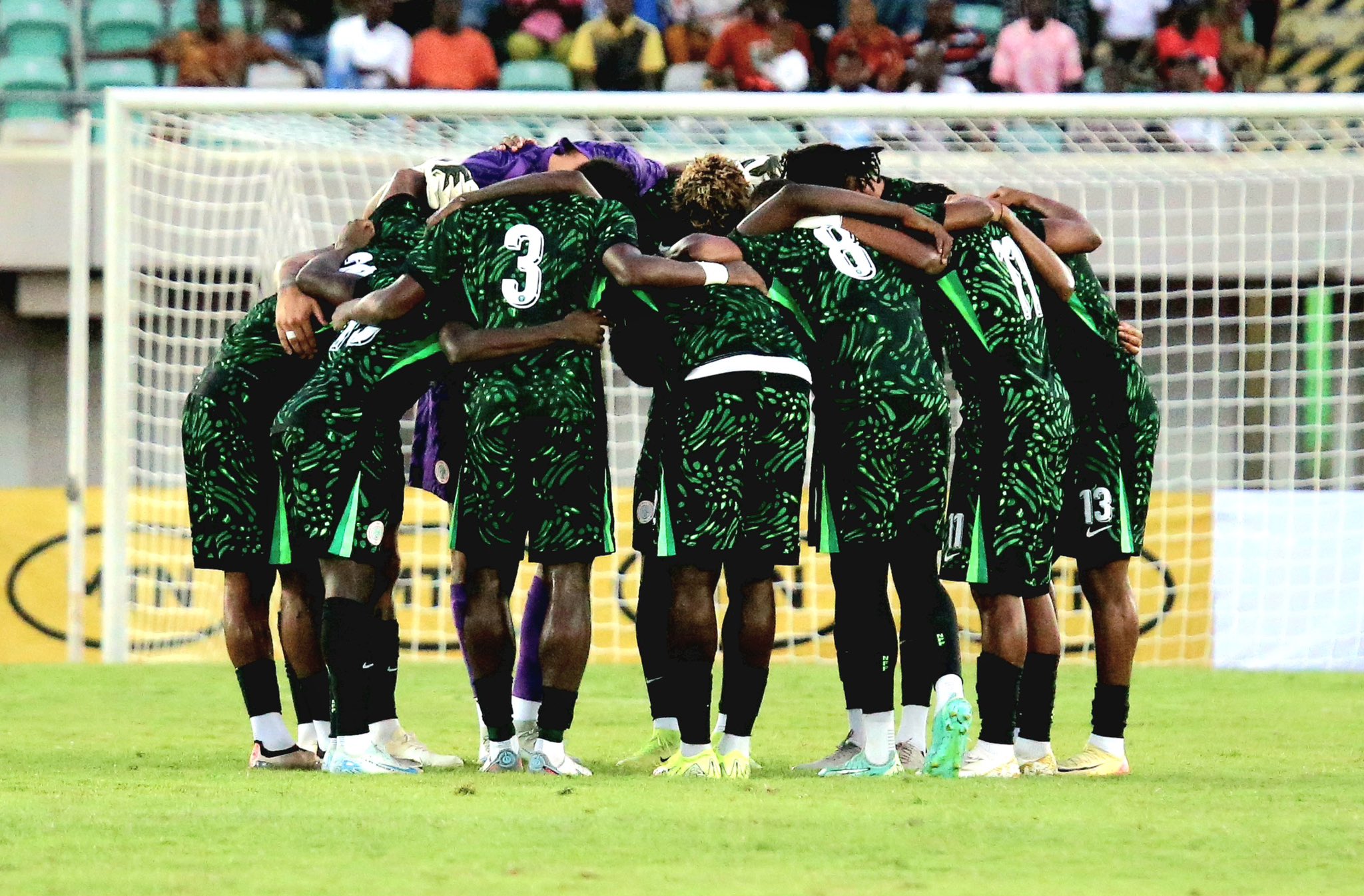
Recall that the Nigeria’s Super Eagles were eliminated on penalties by DR Congo’s Leopards in the final round of the African play-offs.
While the defeat had openly ended Super Eagles hope of advancing to the intercontinental play-offs for the 2026 FIFA World Cup, the NFF however submitted a formal complaint to FIFA, questioning the eligibility of several Congolese players.
According to reports, the federation argued that DR Congo’s domestic laws do not recognise dual nationality for adults and raised concerns that some players allegedly held European passports while representing the Leopards.
With FIFA announcing that the verdict on the complaint will be delivered this month, Nigerians have since been at the edge of their seats as controversies of the verdict favouring Nigeria spread like wildfire on Monday.
Reacting in a statement issued by its Director of Communications, Ademola Olajire, the NFF clarified that no decision has been communicated by FIFA.
Olajire labelled the reports as “false and misleading.”
“There is no decision from FIFA at this time. Any claims that a ruling has been made are false. FIFA has not communicated any verdict to the NFF or the Congolese federation,” He said.
The NFF also urged the public to disregard fabricated documents circulating online, which purportedly show FIFA awarding Nigeria a 3-0 victory and reinstating the Super Eagles in the qualification race.
According to the NFF, the petition centred on DR Congo’s nationality laws, which largely prohibit dual citizenship.
The federation alleged that some Leopards players retained foreign passports, including Belgian, English, French or Dutch nationality, without formally renouncing previous citizenship.
However, the Congolese FA had since rejected Nigeria’s claims, insisting the result on the pitch should stand.
Director of Football Hérita Ilunga stated that FIFA’s definition of sporting nationality, not domestic citizenship law, determines player eligibility.
On social media, the Leopards described Nigeria’s petition as an attempt to overturn the match result off the field, urging the Super Eagles to focus on future competitions.