

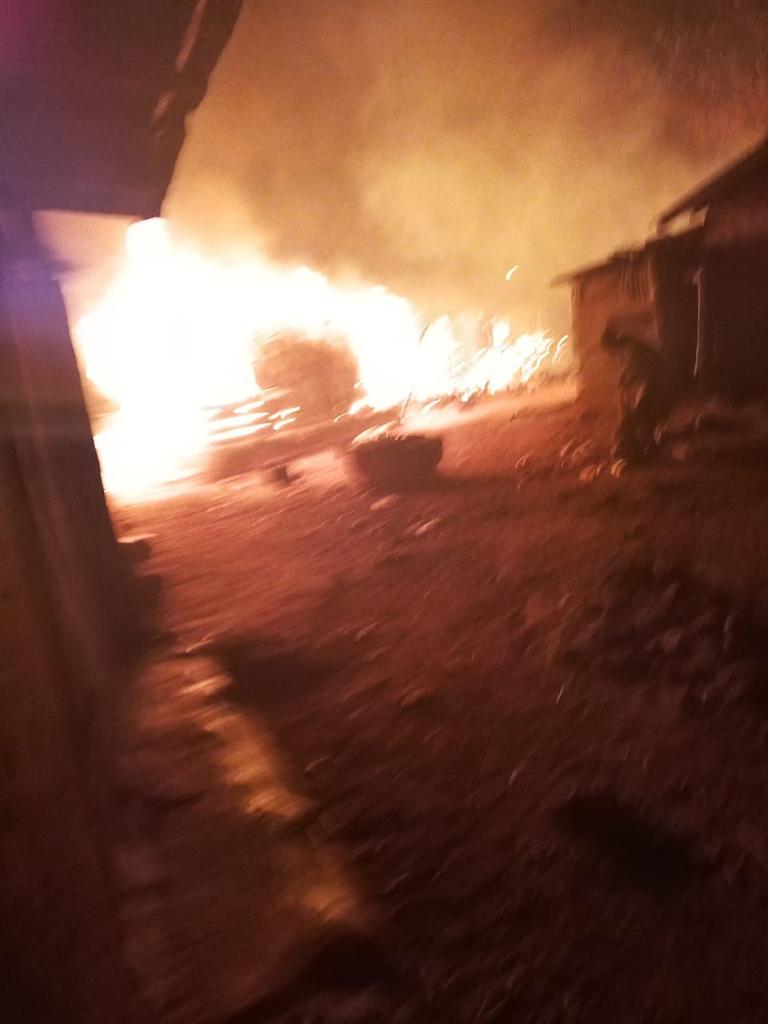
Gunmen have killed nearly 200 people in western and northern Nigeria, officials and residents said, as survivors buried the dead and security forces hunted the attackers.
In western Kwara State, gunmen stormed the community of Woro on Tuesday evening, killing at least 170 people, according to a local lawmaker, while in northern Katsina State, at least 21 people were shot dead by attackers who moved from house to house, residents said.
The killings in Kwara marked the deadliest attack recorded in the region in recent months.
 They come amid a complex security crisis in Nigeria, with violent groups linked to Boko Haram and the ISIL (ISIS) group in the northeast, alongside a surge in kidnappings for ransom by gunmen across the northwest and north-central regions over recent months.
No group has claimed responsibility for the assault in Kwara.
Saidu Baba Ahmed, the lawmaker for the area, told the Reuters news agency that the gunmen rounded up residents, bound their hands behind their backs and executed them.
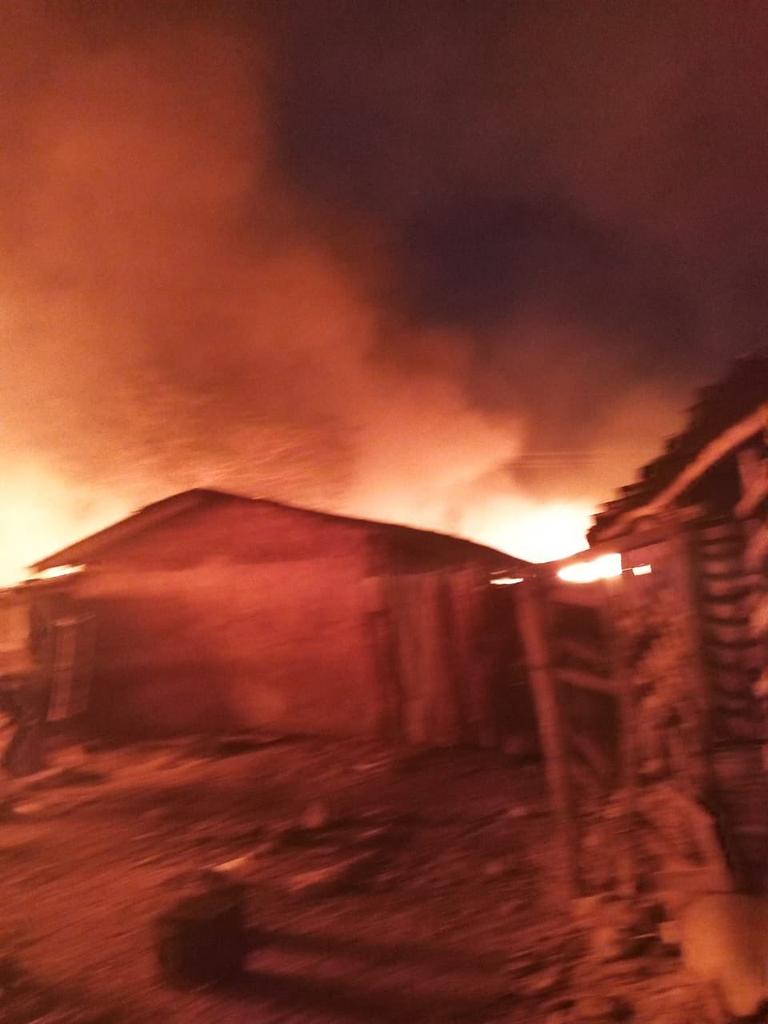
Villagers fled into the surrounding bushland during the attack, while the attackers went on to torch homes and shops, he said.
“As I’m speaking to you now, I’m in the village along with military personnel, sorting dead bodies and combing the surrounding areas for more,” Ahmed said.
Several people were still missing on Wednesday morning, he said.
Police said “scores were killed”, without giving an exact figure.
Kwara police spokesperson Adetoun Ejire-Adeyemi said that the police and military have been mobilised to the area for a search-and-rescue operation.
Amnesty International said in a statement that the gunmen killed more than 170 people, razed homes and looted shops.
“The security lapses that enabled these attacks are unacceptable,” the rights group said, adding that the gunmen had been sending “warning” letters to the villagers for more than five months.
In Kwara, the Nigerian military recently carried out operations against what it called “terrorist elements”, while authorities also imposed curfews in some parts and closed schools for several weeks.
Kwara State Governor Abdul Rahman Abdul Razaq described the attack as a “cowardly expression of frustration by terrorist cells” in response to ongoing military operations against armed groups in the state.
The military said last month that it had launched “sustained coordinated offensive operations against terrorist elements” and achieved notable successes. According to local media, the military killed at least 150 fighters in the operation.
Al Jazeera’s Ahmed Idris, reporting from the Nigerian capital Abuja, said residents of Woro believe the attack was by groups linked to Boko Haram.
“We understand these gunmen stormed the village at 6pm local time on Tuesday [17:00 GMT] and circled these communities and started firing at random, killing – initially, the numbers we got were around 40.” he said.
“Then, as the day wore on, the number increased from 40 to 70. And now we are hearing that at least 170 people have been killed. It’s not clear how many people have been abducted yet,” he said.
Idris added that such killings take place in Nigeria “whenever there is increased military activity in areas where these armed groups are strong – either bandits, or Boko Haram or ISIL”.
‘More is required’
In Katsina, meanwhile, residents and police said gunmen killed at least 21 people, moving from house to house to shoot their victims.
The attack broke a six-month peace pact between the community and the armed gang.
It also highlighted the dilemma faced by residents in Nigeria’s remote north, where some have sought peace with armed gangs that terrorise them. Residents typically pool money and food, which they give to bandits so they are not attacked.
Kabir Adamu, a security analyst at the Abuja-based Beacon Security and Intelligence Consulting, said the response from the Nigerian security forces has been insufficient to contain armed groups across the region.
“In simple terms, [the attacks] say more is required,” he told Al Jazeera.
“The operations have been effective in killing some of the bandit commanders. We also know some of their leaders have been arrested, and they are currently being prosecuted. But the law enforcement component that would dominate the environment and prevent this group from moving around and operating is missing,” he said.
Nigeria is also under pressure to restore security since United States President Donald Trump accused it last year of failing to protect Christians. Authorities, however, denied there is systematic persecution of Christians, while independent experts say Nigeria’s security crises claim the lives of both Christians and Muslims, often without distinction.
Nigeria’s government, meanwhile, has stepped up cooperation with Washington to improve security.
In late December, US forces struck what they described as “terrorist” targets in Nigeria, and on Tuesday, the American military said it sent a small team of officers to the country to assist in the response to the security crisis. Aljazeera