“He said to her: ‘You’re no longer my sister’, and she told him to go to hell.”
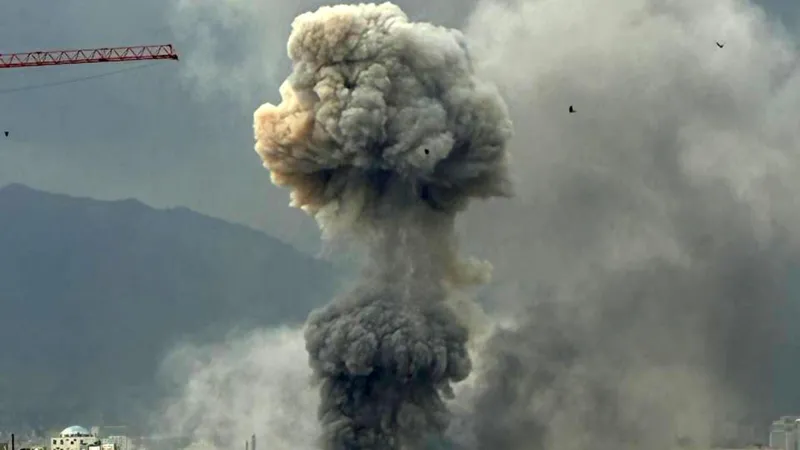
This argument between a man and his sister in a city near Tehran – witnessed and recounted by one of their relatives – gives a telling insight into the painful rows erupting among families and friends as US and Israeli strikes continue.
The relative, who we are calling Sina, says that when his family recently got together at his grandmother’s house, emotions quickly exploded, exposing stark divisions.
His uncle, a member of the Basij – a volunteer militia often deployed to suppress dissent in Iran – refused to even greet his own sister, who is opposed to the ruling regime.
After their exchange, the uncle was “very quiet… and left early”, Sina says.
He and other young Iranians have described emotional scenes as rifts open up over the war.
Even among those opposed to the government, there are deep divisions over whether the war will help or hinder attempts to bring about change.
Despite the government-imposed internet blackout, the BBC has been able to maintain contact with some of the few Iranians who have found ways to remain online.