

- Agency Report
The Independent Corrupt Practices and Other Related Offences Commission (ICPC) and the Independent National Electoral Commission (INEC) have joined forces to tackle election fraud ahead of the 2027 general election.
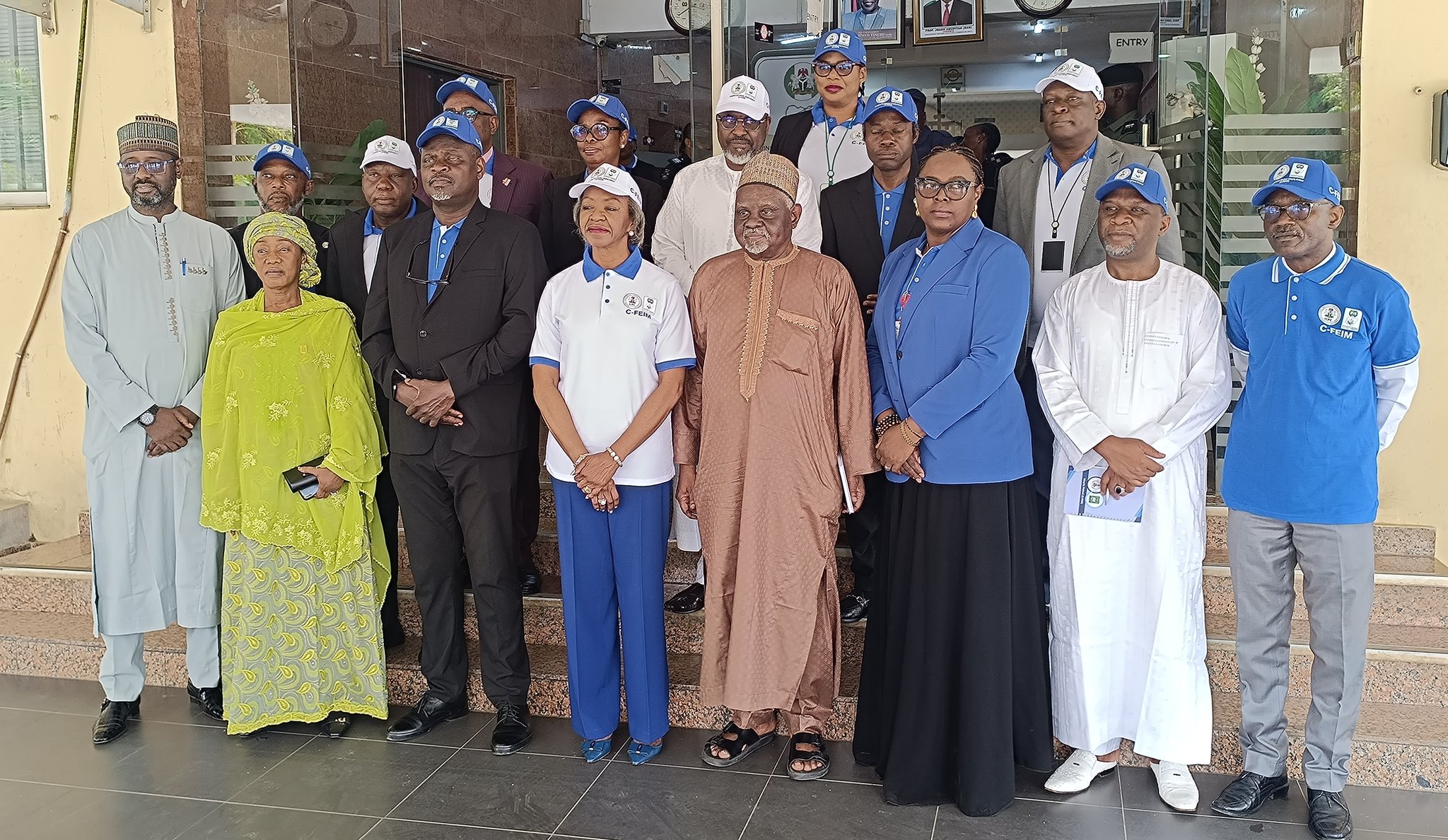
The Chairman of ICPC, Dr Musa Adamu Aliyu, SAN, disclosed this on Monday in Abuja at a sensitisation workshop for INEC staff themed “Corrupt-Free Election: Integrity Matters! (C-FEIM)”.
Aliyu, represented by the Director, Legal Services Department, Mr Henry Emore, said the two commissions were determined to entrench integrity in Nigeria’s electoral process and ensure credible poll in 2027.
He said the partnership aims to drive collective action toward a corruption-free 2027 general election, adding that electoral integrity was vital to Nigeria’s development and global reputation.
“The fight against corruption requires collective action.
“It is in the light of this that the ICPC is partnering with INEC on this sensitisation workshop for electoral officers to see that we conduct a free fair and credible election come 2027 and beyond,” he stated.
He said the theme testified to ICPC’s commitment to supporting government programmes, which included ensuring free, fair and credible elections.
Aliyu warned that the absence of integrity in the electoral process imposed huge costs on the nation.
“There is no gainsaying that when the process of our elections is devoid of integrity, and marred by electoral malpractices, the government spends more to conduct supplementary elections and to maintain law and order,” he said.
He added that law enforcement agencies like the ICPC were also stretched due to a plethora of petitions and cases arising from electoral offences.
The ICPC chairman described elections as defining moments for any nation, noting that much was expected of INEC as the custodian of Nigeria’s democracy and as the electoral body of Africa’s largest democracy.
“As giant of Africa and as custodians of our democracy, much is expected of INEC from both within and outside the borders of our country,” he said.
He emphasised that the responsibility placed a demand for the highest level of accountability and transparency on electoral officers.
To address the challenge, Aliyu said the fight against corruption required collective action, hence ICPC’s collaboration with INEC.
Aliyu commended the Chairman of INEC, Prof. Joash Amupitan, SAN, for approving the workshop at a critical time in the electoral cycle.
“This testifies to his determination to confront corruption, being one of the biggest factors hindering development in the 21st century,” he said.
The INEC chairman represented by Mrs May Agbamuche-Mbu, a commissioner with INEC, said that the agency had a duty to lead conversations that shape national values.
Amupitan stressed that the credibility of elections remained the foundation of Nigeria’s democracy.
“As an electoral umpire, we bear the responsibility to lead conversations that shape national values. Elections are the foundation of democracy. When elections are compromised, it erodes public trust and the nation suffers,” he said.
He explained that the workshop was designed to build capacity, share best practices and produce actionable recommendations to guide staff during electoral processes.
“This workshop is designed to build capacity, share best practices and produce actionable recommendations that can guide staff, especially during the electoral processes,” he added.
The ICPC Director, Legal Services Department, in an interview said the workshop targeted INEC top management who would train state and local government officers ahead of 2027.
Emore linked electoral integrity to national development, saying removing corruption from elections will produce desired leaders and help Nigeria make progress in eradicating corruption.
He expressed hope that cascading the training would ensure free, fair elections in 2027 and enable Nigerians to elect the leaders they yearn for.
Speaking, the, Director of Public Education, ICPC, Mr Demola Bakare, noted that electoral malpractice often starts before voting day.
“Pollution happens at the back end. In fact, the process towards free, credible election starts from the inner room. So that is why we are starting with them,” he said.
Also speaking, the Director of Training at INEC’s Electoral Institute, Dr Binta Mohamed, said the training was designed to deepen staff knowledge of the legal framework on corruption and elections.
“Our expectation is that the staff of the commission will have a better and enhanced understanding of the legal framework guiding elections more as regards corruption and its sinister actions,” she said.
She expressed optimism that the workshop would equip INEC personnel to deliver a credible poll in 2027. NAN