

- Safiu Kehinde
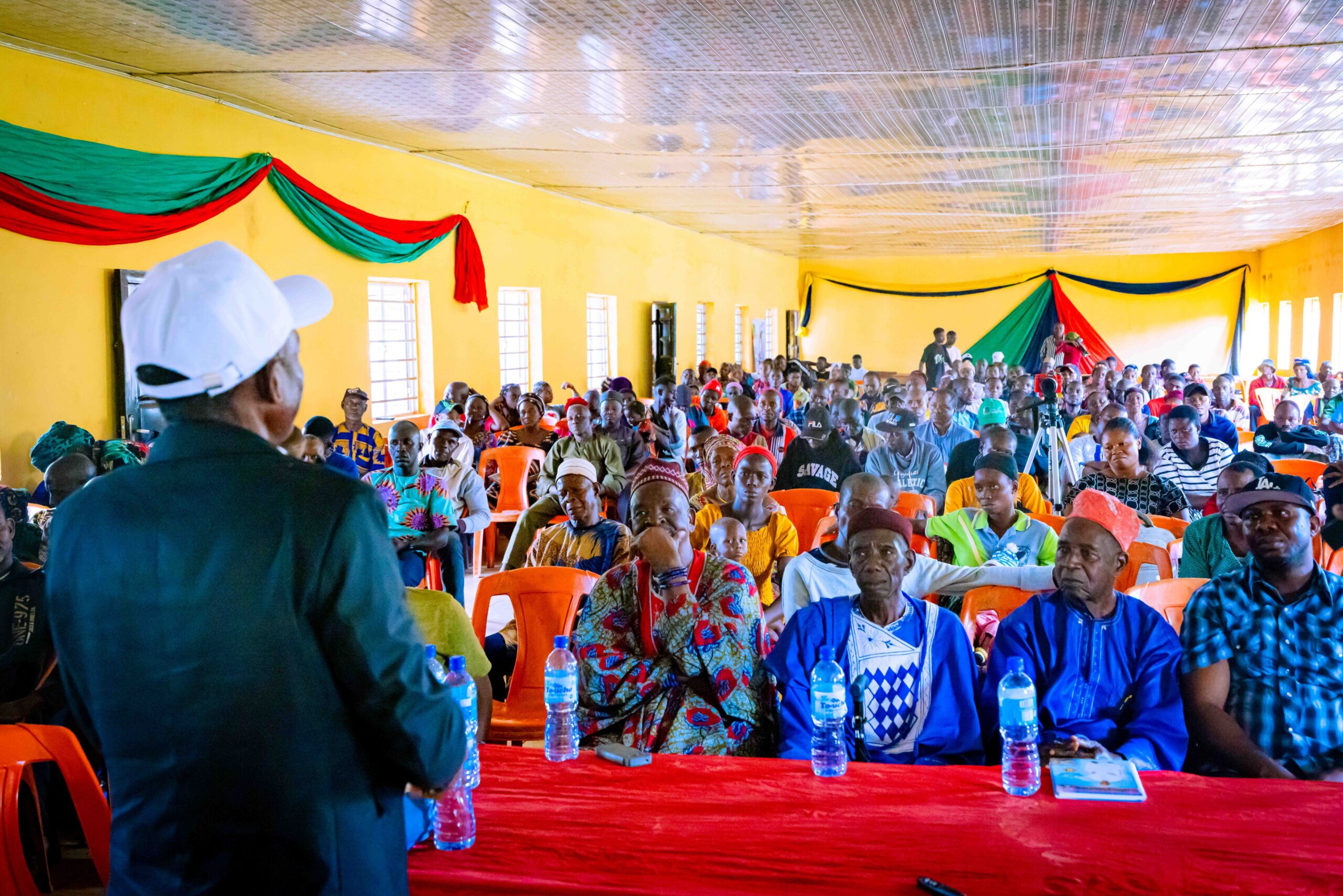
The Nigerian National Petroleum Company (NNPC) Foundation has extended its Vulnerable Farmers’ Traning Programme to Northern Nigeria.
This was made known in a statement issued on Wednesday by the company’s Chief Corporate Communications Officer, Andy Odeh.
The foundation which is the Corporate Social Responsibilty (CSR) arm of the NNPC extended the programme to the region under the second phase of the initiative.
This is reportedly aimed at strengthening Nigeria’s food security and stimulating economic empowerment as well as promoting national development.
The programme, according to Odeh, is designed to equip farmers with modern agricultural techniques, covering areas such as climate-smart farming, organic fertilization, post-harvest loss reduction, and enhanced market access strategies.
He recalled that the first phase of the programme, held across the Southern region (South-East, South-South, and South-West), empowered over 4,000 farmers with modern agricultural practices and market-access strategies, recording significant success.
Odeh further expalained that the second phase will cover North East, North West, and North Central geopolitical zones, with training sessions scheduled to hold in six designated States across the three zones, and one in the Federal Capital Territory (FCT), Abuja.
Highlighting the importance of the programme during the official flag-off of the first phase at Nsukka, Enugu State, Managing Director of NNPC Foundation, Mrs. Emmanuella Arukwe, said the initiative aligns with the Federal Government’s agricultural transformation agenda.
Arukwe, as quoted in the statement, said that it seeks to boost food security, increase productivity and improve the livelihoods of smallholder farmers across the country.
“At NNPC Ltd, we recognize that agriculture remains the primary source of livelihood for over 70% of Nigeria’s population.
“Yet, many farmers remain trapped in subsistence-level production due to limited access to modern techniques, quality inputs, and competitive markets.
“This training is designed to change that narrative,” Arukwe stated.
She emphasized that the goal of the training is to equip participants with the tools, knowledge, and resources required to move from subsistence farming to sustainable, commercial-scale agricultural production.