

- Safiu Kehinde
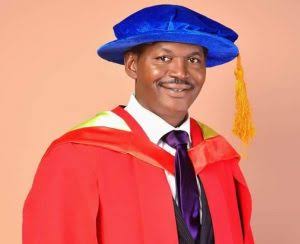
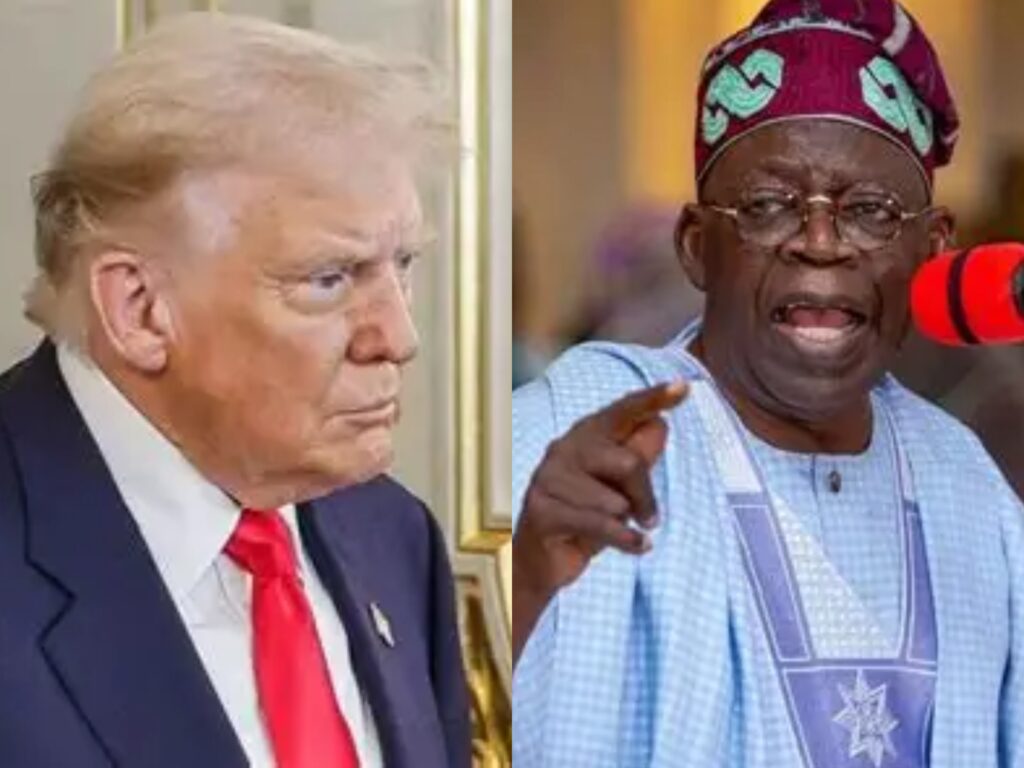
A Nigerian scholar and lecturer at the University of Ibadan, Prof. Remi Aiyede, has questioned the United States President, Donald Trump’s moral justification over his designation of Nigeria as a “Country of Particular Concern.”
NPO Reported that the US President had on Friday included Nigeria on the list of countries of particular concern over alleged genocidal attacks on Christians in the country.
Reacting, Aiyede held that Trump is not in the right position to police religious tolerance and genocide across the world.
He made this known during an exclusive interview with NPO Reports on Saturday.
The Professor of Political Science cited the ongoing unrests across the US over his policies which most Americans have labelled undemocratic and authoritarian in nature.
Aiyede maintained that Trump cannot lay claims to being democratic considering his stringent policies such as the scrap of the United States Agency for International Development (USAID) and alleged harassment of immigrants by his Immigration and Custom Enforcement (ICE) agents.
These, amongst others, have left many US citizens in serious worries thereby making Trump’s stance as a mediator in other countries affairs questionable.
“There have been demonstrations consistently in the United States about the onslaught of authoritarianism in the U.S. Look at the way they closed the USAID.
“Look at the way they sacked a lot of people in a bid to cut down the bureaucracy. And then look at the way they are using ICE to harass immigrants, deport them. And there are many cases in the court concerning his attempt to redefine a citizenship in the United States as far as it relates to immigrants.
“So, there are those who claim that Trump, with his MAGA supporters, cannot lay any claim of being democratic.
“In fact, in the United States, there are serious worries about the retreats and his kind of democracy, his imposition of a fascist and authoritarian kind of rule on the United States.
“And so, when you now put these together, you’ll know that of course Trump is not the right candidate to lay claim to protecting human life and to advancing democracy not to talk of trying to police religious tolerance or genocide across the world.
“That’s the contradiction that I think surrounds the declaration that he has just made about Nigeria.” Prof. Aiyede said.
Meanwhile the university don warned of the implications of Nigeria’s inclusion on the list.
These, according to Aiyede, will affect international investments, foreign direct investments and tourism.
He charged the government to curtail the attacks.
“Well, for me, the most important thing for us Nigerians is to turn the tide of this of killings, to see if government can strengthen its capacity to address those challenges and ensure that they don’t fall again, or they are systematically reduced up to the point that any investigation that would happen in there will not find the situation that can be described as genocide against Christians.
“The second one is really that, as you know, the government is also concerned about the image of the country in that regard. And I think that’s the major concern because it has implications for international investment, the foreign direct investment, the image of the country, the willingness of people coming into Nigeria whether for business or for tourism. This is what they’re concerned about.
“But I think that our real concern is to address the security situation.” Aiyede added.
On the likelihood of the development straining the relationship between Nigeria and the US, the scholar noted that the relationship between both countries has already been strained.
He held that people had begun linking Trumps’ decisions, including the change in Visa policy for Nigerians, as his way of getting back at Nigeria over the Federal Government’s rejection of his proposal to deport migrants of African descent to the country.
“It has already created it because there was a time the US wanted to bring all the Africans that had been deported to Nigeria. People have already started pointing to that as the basis of which Trump is trying to castigate Nigeria.
“So naturally, there will be some kind of strains in our relationship. In any case, the President has responded in a diplomatic manner.
“But you also know that we have issues since that time with the Trump administration, especially the issue of visa, and you see what has happened to Professor Wole Soyinka and another Nigerians who are holding American visas.
“And they have also downgraded it from two years that they used to give for just 90 days.
“So, we do have that strain in our diplomatic relations.” He said.