

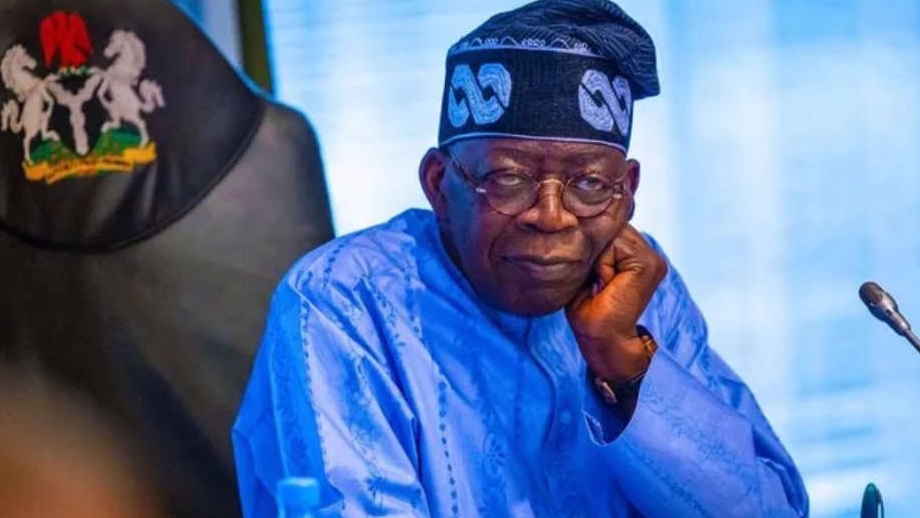
The Presidency has dismissed claims by opposition politicians alleging threats to Nigeria’s multi-party democracy and the weaponisation of anti-corruption agencies, describing the accusations as desperate attempts by a “failed opposition” to find scapegoats for its political decline.
In a statement issued on Sunday by the Special Adviser to the President on Information and Strategy, Mr. Bayo Onanuga, the Presidency said recent comments by opposition figures were rooted in subterfuge, misinformation, and an empty search for relevance.
According to the statement, a group of opposition politicians had gathered to accuse the administration of undermining democracy following the defection of prominent political figures to the ruling All Progressives Congress (APC).
The Presidency countered that such claims were misleading, stressing that Nigeria’s constitution guarantees freedom of association and the right of citizens to change political affiliations at will.
“None of the people who joined the governing APC was pressured to do so,” the statement said, adding that the defections were motivated by what it described as the “noticeable gains” of President Bola Ahmed Tinubu’s reform agenda.
The Presidency questioned why similar concerns were not raised between 2000 and 2015 when politicians defected in large numbers to the then-dominant Peoples Democratic Party (PDP), asking whether Nigeria’s democracy was considered endangered at the time.
Addressing allegations that the Economic and Financial Crimes Commission (EFCC) was being used to target political opponents, the Presidency reiterated that the anti-graft agency is an independent institution established by law and operates without interference from the executive.
“The Presidency does not speak for the EFCC and believes the agency can speak for itself,” the statement noted, while emphasising that President Tinubu does not issue directives on whom to investigate, arrest, or prosecute.
It stated that the EFCC’s mandate is to investigate and prosecute financial crimes regardless of political affiliation or social status, describing accusations of “weaponisation” as attempts by politicians facing scrutiny to evade accountability.
The Presidency further observed that some signatories to the opposition statement had been investigated or prosecuted by the EFCC even before President Tinubu assumed office in 2023, while others had allegedly been implicated in international money laundering cases, with accomplices convicted abroad.
“Are they now signing statements because their chickens are coming home to roost?” the statement queried.
The Presidency warned against undermining national institutions through politicised narratives, urging politicians with questions to answer to submit themselves to due process rather than attack the integrity of anti-corruption efforts.
It reaffirmed that no one is above the law and that political affiliation should not shield anyone from accountability, noting that Nigeria’s recent removal from the Financial Action Task Force (FATF) grey list underscored the importance of sustained anti-corruption reforms.
The statement concluded by urging political actors to refrain from trivialising the fight against corruption, describing it as a collective national responsibility that must not be sacrificed for short-term political survival.