

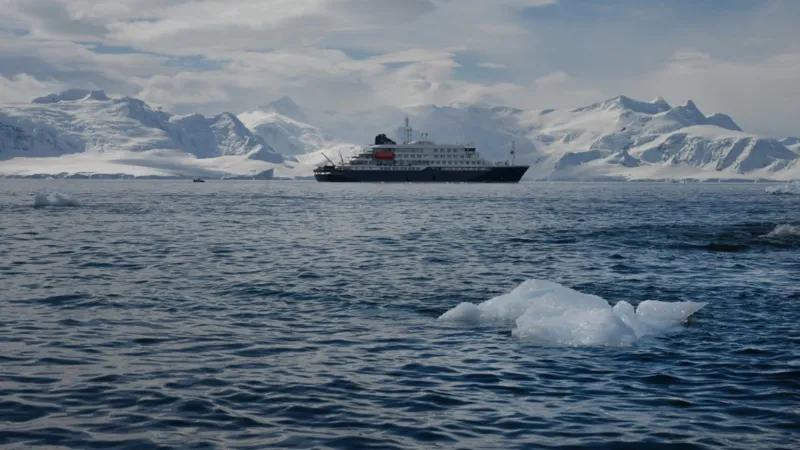
Two cases of hantavirus have been confirmed after three people died and another was left seriously ill in a suspected outbreak onboard a cruise ship crossing the Atlantic Ocean.
A Dutch husband and wife and a German passenger died, with the Dutch woman testing positive for the virus, the MV Hondius ship’s operator Oceanwide Expeditions said.
The rare virus was also confirmed in a 69-year-old British national who was evacuated to a hospital in South Africa for intensive care.
Two crew members – one British and one Dutch – with unconfirmed cases and a close contact of the German national are due to be evacuated from the ship, which is currently anchored near Cape Verde, off Africa’s west coast.
The vessel was due to dock in Cape Verde on Tuesday but local authorities have barred passengers from disembarking on safety grounds.
Some 149 people from 23 countries remain on the MV Hondius under “strict precautionary measures”, including isolation and hygiene protocols, Oceanwide Expeditions said.
They have travelled more than 6,000 miles at sea after setting sail from Argentina around a month ago.
Hantavirus is usually spread from rodents via their faeces, saliva or urine. It can cause severe respiratory illness. It is rarely transmitted between people.
So far, it has only been confirmed in the case of the Dutch woman who died and the UK national in hospital in Johannesburg. The cause of death of the other passengers is being investigated.
The Dutch man died while the ship was at sea last month. His wife later passed away upon arrival at a hospital in Johannesburg, having flown there from the island of St Helena where she disembarked the vessel.
The World Health Organisation (WHO) is in talks with Spanish authorities about continuing the ship’s journey to the Canary Islands, its director of epidemic and pandemic preparedness told the BBC.
Dr Maria van Kerkhove said the plan was for a “proper risk assessment” to be carried out there with all passengers remaining on board.
Oceanwide Expeditions said the option of sailing to Las Palmas or Tenerife was being considered “to be the gateway for disembarkation, where further medical screening and handling could take place”.
Van Kerkohve said that the WHO’s “top priority” remained treating the two crew members who were on board with respiratory symptoms.