

By Seun Oloketuyi
As political activities begin to gather momentum ahead of the next electoral cycle, stakeholders and residents of Bariga/Shomolu Federal Constituency are increasingly confronted with a critical question: who possesses the competence, structure, and track record to effectively represent the constituency at the House of Representatives?
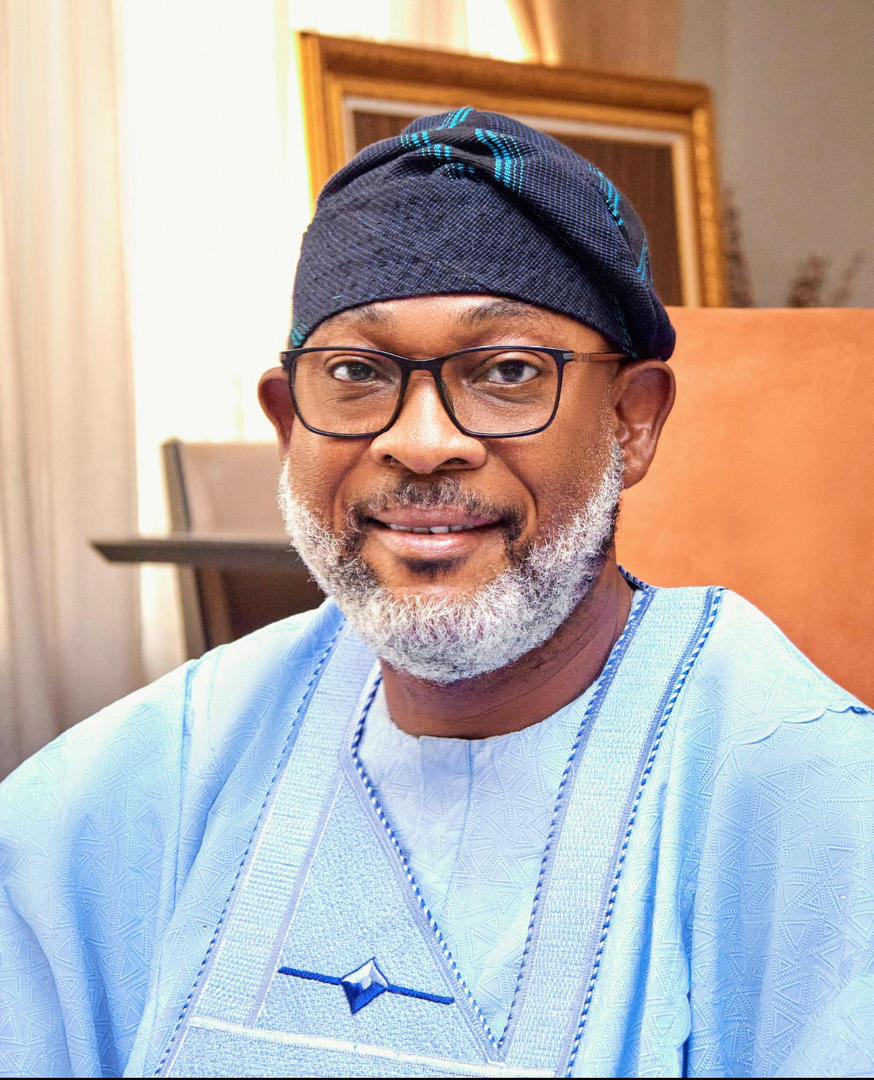
Among the names being considered, Alabi Kolade David, popularly known as Kola Alabi, has emerged as a strong and compelling option, with many political observers arguing that his experience and performance in public office make him a natural fit for the role.
Kola Alabi’s political journey is deeply rooted in Bariga. Having served as Vice-Chairman of Bariga Local Council Development Area (LCDA) between 2009 and 2015, and later as Executive Secretary, he rose to become the Executive Chairman in 2017, a position he has held for two terms. This steady progression through the ranks reflects not only continuity but also sustained trust from the people he serves.
During his time as chairman, Bariga has witnessed notable transformation across key sectors. His administration has prioritized grassroots development, delivering infrastructural projects that have improved mobility and overall living conditions within the LCDA. Roads, drainage systems, and community facilities have seen measurable upgrades, contributing to a more functional and accessible environment for residents.
In the area of healthcare, his government initiated the expansion of primary healthcare services, ensuring that all wards within Bariga have access to functional health centres. This effort has significantly improved access to basic medical care, particularly for low-income residents.
Education has also received considerable attention under his leadership. Through school renovations, construction of new learning facilities, and support for educational initiatives, his administration has contributed to improving the standard of public education within the community.
Beyond infrastructure and social services, Kola Alabi has consistently emphasized human capital development. Youth empowerment programmes, support for small businesses, and inclusive initiatives targeting women have formed a core part of his governance strategy, helping to stimulate economic participation at the grassroots level.
His influence extends beyond Bariga. As former National President of the Association of Local Governments of Nigeria (ALGON), he played a significant role in advocating for local government autonomy and strengthening governance frameworks across the country. This experience has given him exposure to national policy discussions and intergovernmental relations, positioning him as a leader with both local relevance and broader political insight.
His performance in office has earned him several recognitions, including awards for grassroots governance and public service excellence. These honours, while symbolic, reflect a pattern of leadership that has been acknowledged beyond his immediate constituency.
Observers also point to his leadership style, often described as inclusive and people-oriented. His ability to maintain strong connections with community stakeholders, traditional institutions, and political structures has been cited as one of his key strengths.
With the responsibilities of a member of the House of Representatives requiring a blend of legislative understanding, grassroots connection, and the capacity to attract development, many believe that Kola Alabi’s profile aligns closely with these demands.
As conversations continue and political alignments take shape, one sentiment appears to be gaining traction across Bariga and Shomolu: if experience, performance, and grassroots credibility are the deciding factors, then the cap, indeed, fits Kola Alabi David.
Oloketuyi is a Lagos Based journalist