

- Safiu Kehinde
The Federal Government of Nigeria has against dismissed the religious persecution narrative painted by the United States Congress over the violent attacks facing the country.
Reacting to the reports submitted to the White House by the Congress’ Foreign Affairs Committee and the House Appropriations Committee, the Federal Government reiterated that the attacks are not driven by religious bias but by complex security threats and longstanding communal tensions.
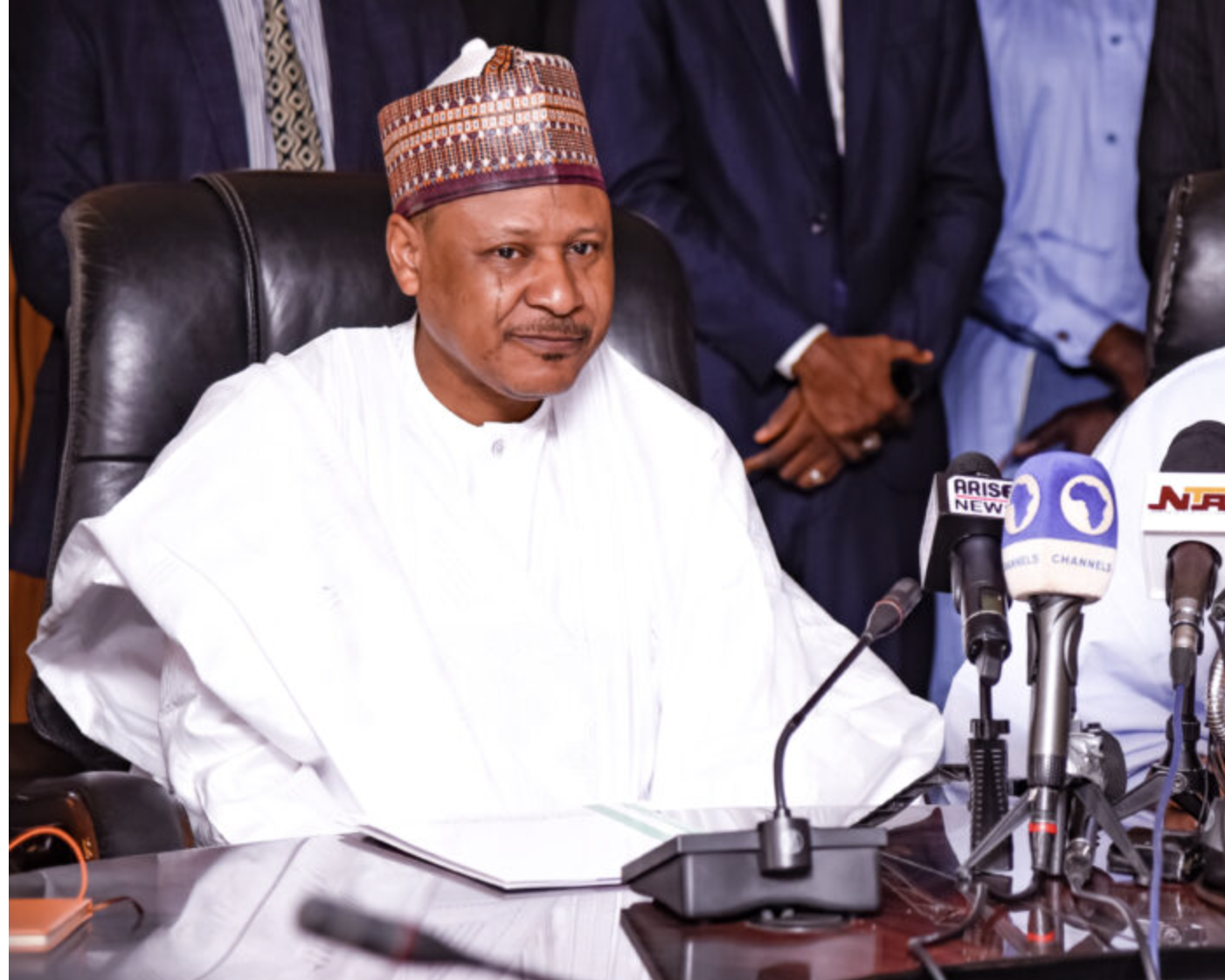
This was contained in a statement issued on Tuesday by the Minister of Information and National Orientation, Mohammed Idris.
The Minister, in the statement, maintained that the Nigerian government remains deeply concerned over the loss of lives while clarifying that the country has no policy the encourages religious persecution.
“Nigeria acknowledges that parts of the country continue to face serious security challenges, including terrorism, banditry, and communal conflicts that have tragically affected many communities.
“The Federal Government remains deeply concerned about the loss of lives and destruction of property resulting from these criminal acts, and we extend our sympathies to all victims and their families, regardless of faith, ethnicity, or region.
“It is important to state clearly that Nigeria does not have, and has never had, a state policy of religious persecution.
“The violence being confronted by our security agencies is not driven by government policy or religious bias, but by complex security threats, including terrorism, organised criminality, and longstanding communal tensions.” He wrote.
Idris further stated that the Constitution of the Federal Republic of Nigeria guarantees freedom of religion and freedom of worship for all citizens, adding that the FG remains firmly committed to upholding the constitutional provisions and ensuring equal protection under the law.
The Minister highlighted several interventions already put in place by the government in tackling the security threats.
“In response to evolving security threats, the Federal Government has significantly strengthened coordinated military and law enforcement operations across affected regions.
“Ongoing counter-terrorism offensives have degraded the capacity of armed groups, disrupted kidnapping networks, and led to the arrest and neutralisation of key criminal elements.
“Intelligence sharing and inter-agency collaboration have been enhanced to improve early warning and rapid response mechanisms, particularly in vulnerable rural communities.
“In addition, the government has intensified surveillance and clearance operations in forested areas long exploited by criminal groups.
“The establishment and deployment of specially trained forest guards to aim at deny terrorists and bandits safe havens, improve territorial control, and strengthen community-level security presence.” He said.
These efforts, according to Idris, are complemented by increased investment in equipment, mobility assets, and technology to support the Armed Forces and other security agencies.
The Minister further disclosed that efforts are ongoing to improve humanitarian response for internally displaced persons, facilitate the safe return of affected communities, and promote community-based peacebuilding initiatives that foster sustainable coexistence.
He however maintained that Nigeria remains open to constructive dialogue and cooperation with the US based on the longstanding relationship between both countries.
“Nigeria values its longstanding and strategic partnership with the United States. Our two countries share common interests in promoting security, economic development, and regional stability.
“We remain open to constructive dialogue and cooperation rooted in mutual respect, shared responsibility, and recognition of Nigeria’s constitutional framework and sovereignty.
“The Federal Government will continue to engage international partners through appropriate diplomatic channels while remaining focused on its primary duty, the protection of all Nigerians.” He added.