

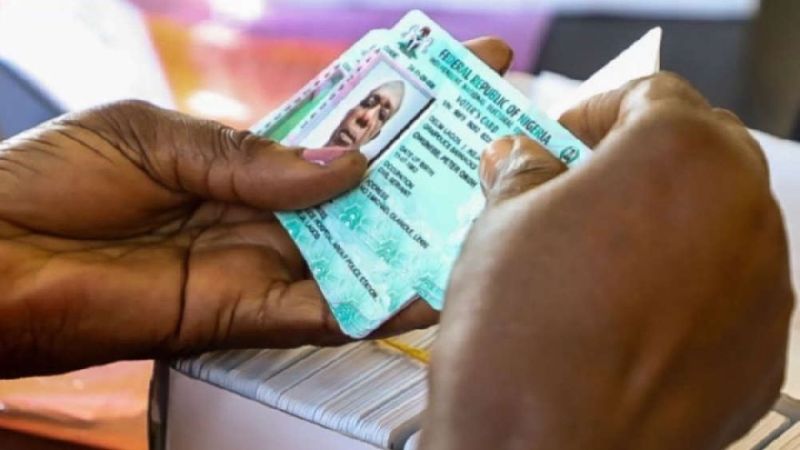
The Independent National Electoral Commission (INEC), has announced that Lagos State recorded 328,362 new voters during the first and second phases of the Continuous Voter Registration (CVR) exercise ahead of the 2027 General Elections.
The Resident Electoral Commissioner in Lagos State, Ayobami Salami, disclosed this on Wednesday during a stakeholders’ engagement on Phase III of the CVR exercise held at the INEC State Collation Centre in Sabo-Yaba.
According to Salami, 154,726 of the new registrants, representing 47 per cent, were male, while 173,636, representing 53 per cent, were female.
He added that young people made up the majority of new voters, with about 63 per cent of registrants between the ages of 18 and 39. Another 21 per cent were within the 40 to 49 age bracket.
Salami noted that statistics showed approximately 84 per cent of fresh registrants in Lagos State are below the age of 50.
The REC described the ongoing Phase III exercise as the final voter registration phase before the 2027 elections.
“This Phase III of the CVR exercise, which commenced on Monday, May 11, 2026, and will end on July 10, 2026, represents the final phase of voter registration for the current electoral cycle,” he said.
He explained that the exercise would allow fresh registration for eligible Nigerians who recently turned 18, as well as requests for transfer of voting locations, replacement of lost or damaged Permanent Voter Cards (PVCs), and correction of personal information.
Salami also stated that INEC had retained the online pre-registration option to reduce congestion at registration centres, although physical appearance at designated centres remained compulsory for completion of registration.
According to him, applicants must be Nigerian citizens, at least 18 years old, resident in the area of registration, and not under any legal incapacity as stated in the Constitution and Electoral Act.
The REC disclosed that INEC had introduced targeted intervention exercises in areas that previously experienced overcrowding and accessibility challenges.
He said the commission organised special registration interventions across Lagos’ three senatorial districts to bring the process closer to residents and encourage wider participation.
Salami assured residents that registration services would continue across all 20 local government area offices throughout the exercise.
He also warned against multiple registrations and false information, stressing that such actions constitute electoral offences.
“The credibility of the 2027 General Elections will be shaped by what we do now,” Salami said.
“If we get the CVR right, we strengthen voters’ confidence, reduce electoral disputes, and deepen democratic legitimacy.”
The REC urged traditional rulers, religious leaders, civil society organisations, political parties, security agencies, and the media to mobilise eligible Nigerians to participate in the exercise.
Speaking at the event, James Adeshina, who is also the Lagos State Chairman of the People’s Redemption Party, said political parties and the Inter-Party Advisory Council were working to encourage voter participation.
He urged Nigerians not to lose faith in governance, stressing that PVCs remained a powerful tool for democratic change.
Also speaking, Lagos State Commissioner of Police, Tijani Fatai, assured stakeholders that security agencies were fully prepared to ensure peaceful voter registration and elections.
“We are journeying towards the 2027 elections; we must join hands together. Our duty is to protect those involved in the registration process and we are fully prepared,” he said.
The Rilwan Akiolu, represented by Chief Ayodele Oyekan, urged residents, especially youths and market leaders, to take advantage of the ongoing registration exercise.
Similarly, Folashade Tinubu-Ojo, represented by Chief Busayo Falomo, called on INEC to improve awareness and speed up PVC collection for traders and residents who registered before the 2023 elections.
The Lagos State Coordinator of the National Youth Service Corps, Christiana Salmwang, also stressed the importance of ensuring the safety of corps members during elections.
The stakeholders’ meeting was attended by political party leaders, traditional rulers, religious groups, market associations, youth organisations, and security agencies.