

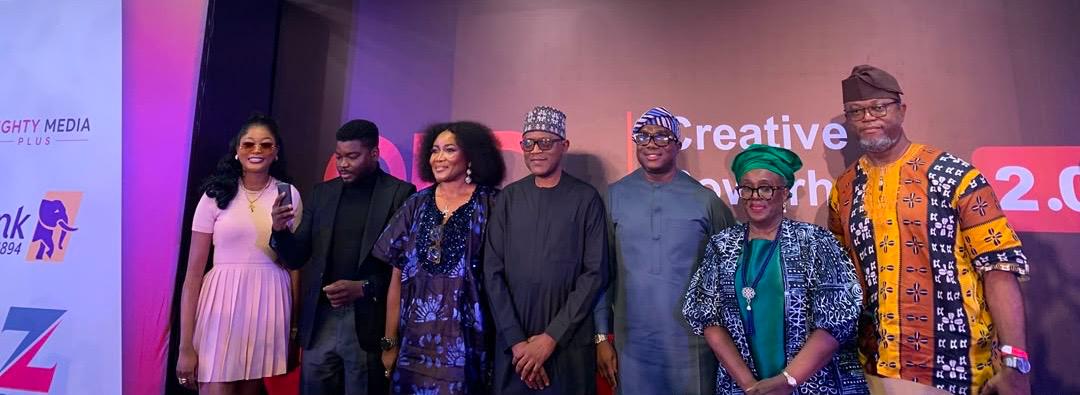
- Odibo Victory
Stakeholders in the creative sector have called for proper investments in the industry, regulation in the use of Artificial Intelligence (AI) and cultural inclusion.
Speakers after speakers said that Nigeria is blessed with a huge population of talented people noting that these talents have however not been able to realise the gains of their talents owing to poor institutional supports and the necessary enabling environment.
These views were expressed on Tuesday when the stakeholders gathered for the second edition of the QEDng Creative Powerhouse Summit 2.0, with the theme Creativity, Culture and Nigeria’s Next Chapter.”
At the Summit were notable dignitaries who shared insights on Nigeria’s creative sector and solutions to make the industry more profitable.
Some of these dignitaries include, President of Women in Film and TV Nigeria (FWIFT), Joke Silva; CEO of X3M Ideas, Steve Babaeko; Media Personality, Oluwabukunmi Adeaga-Ilori aka Kiekie; CEO of Rivers State Tourism Development Agency, Yibo Koko.
Also present at the event are, National Coordinator, Investment in Digital and Creative Enterprises (iDICE); Founder of Buckeyes Media Network, Efe Omorogbe; Tech and Finance Creator, Fisayo Fosudo and the Technical Adviser of Lagos State Ministry of Commerce, Cooperatives, Trade and Investment, Dr Olamide Okulaja.
In his welcome address, Iyanda disclosed how the summit which was held exactly a year ago, has inspired a new wave of ideas that could ginger those in industry to better actions. “This industry has talents,” Iyanda said in his address.

The chairman of Smartcity, Sir Demola Aladekomo, who was represented by the Managing Director (MD), Gabriel Ukechukwu, emphasized on the need not to overlook the potentials of the industry suggesting that systems should be put in place to ensure it is properly harnessed and developed.
“The lesson is not for Nigerians to copy them, the lesson is that successful countries do not leave strategically important industries to chance.
“So we should not leave the creative industry to chance,” he said.
Commenting on the effect of AI on the Nigerian creative landscape, the keynote speaker, Mr Ife Adebayo, described it as the largest amplifier Nigerian storytellers have ever been given.
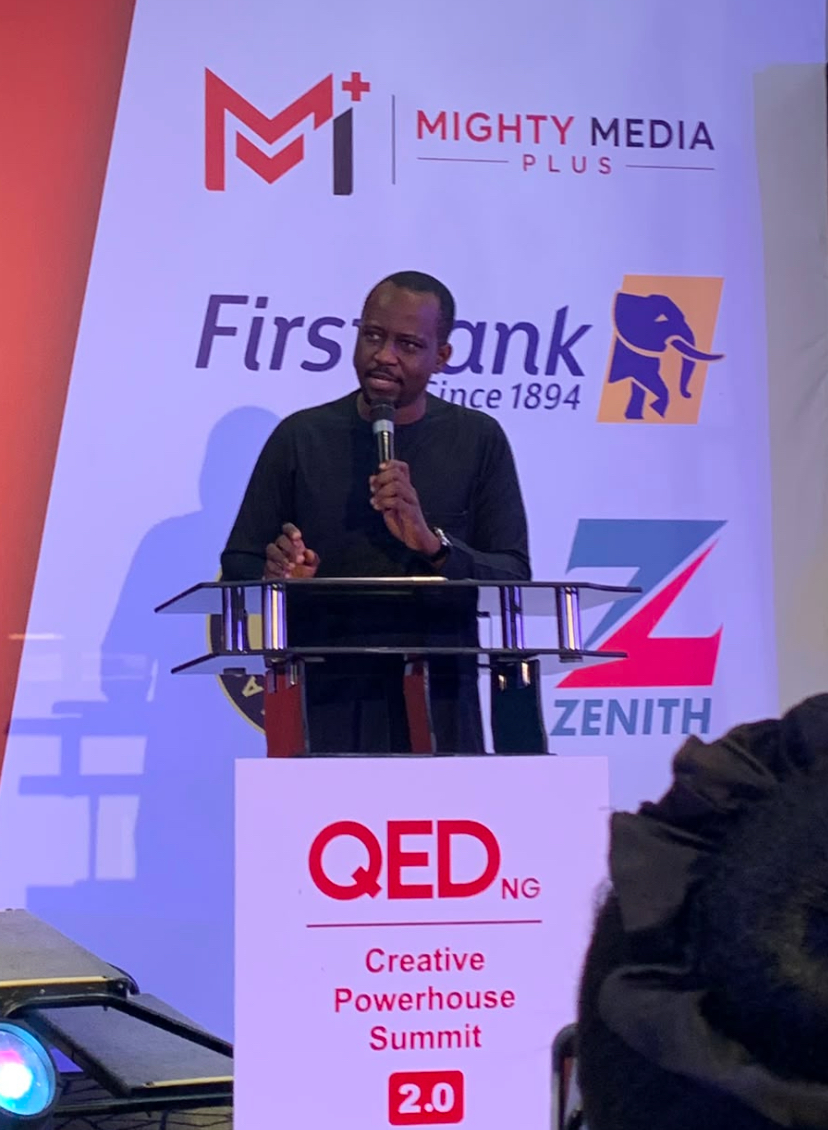
“The fear is a valid one. But AI is not the end of the Nigerian storyteller. It is the largest amplifier that the Nigerian storyteller has ever been handed,” he said.
Speaking on how the government can support the creative industry, Joke Silva emphasised the importance of grants at the early stage of production.
She said significant funding was required for scriptwriting and developing ideas, adding that such funding could not be provided through loans, regardless of the repayment terms.
“One of the areas where grants are needed is in the writing stage, in the development stage of the idea.
“If you want properly developed work, the beginning is the scriptwriting, and the scriptwriting must be done with a grant. It cannot be done with a loan, no matter how patient,” she said.
Omorogbe, who also spoke on funding the creative industry, stressed the need for creatives to acquire more knowledge across various fields to foster synergy within the industry.

“We need investment on time, the creatives need investment, we need to learn, we need education.
“If we fund the management companies, we fund the labels, the labels will develop the talents. The studios will work with the writers to refine the stories,” he said.
Speaking on the contribution of culture to the creative economy, Koko described culture as an economic toolkit that should be explored.

He highlighted festivals in Rivers State as some of the activities capable of contributing significantly to the creative economy if given proper attention.
Koko also recalled the Odo masquerade, which he said had only been performed twice, in 1977 and 1992, despite its potential to generate revenue.
“There are festivals that, if you juxtapose anywhere in the world, are some of the best experiences.
“That is why during Festac ’77, only Rivers State and Kano went for Durbar, but they went to Rivers State to watch the Odo masquerade. It has been played twice, in ’77 and ’92.
“That masquerade has never been played before, and that is one amazing thing that can happen. It’s not happening,” he said.
Shedding more light on what the government can do for the creative economy, Joke Silva emphasized on the importance of International Property (IP) protection and enforcement of piracy laws.

“It is so key that our piracy laws be enforced. If that is one thing the government gets right for this industry.
”IP protection is so important because we serve the black race outside the continent,” she said.
Adding to what the government can do for the creative sector, Kiekie suggested that the government should create a saner environment for creators to work in.
“What I would love for the government to do is create a saner environment for us to shoot,” she said.
She recanted her experience at Obalande when she wanted to shoot a content. She said that she had to settle the “agberos” of the area or she wouldn’t be allowed to go.

“There was I time I wanted to shoot at Obalende, then the agberos started hailing me. I thought it was all love and light until it was time to leave.
“They blocked the garage and started negotiating price which started from N1 million. After going back and forth, I ended up paying N700000 thousand,” she said.
Speaking on how creators to can grow on social media, Kiekie advised that creators should keep showing up and continuing putting in the work because it would eventually pay off.
“If you think you are very amazing and your work is great, continue to do it, pray to God to continue to help you and one day these big creators would definitely reach out to you,” she advised.