

By Segun Dipe
In Ekiti and Osun, presence overtakes details. The votes are counted and the verdicts are pronounced. On June 20, 2026, Ekiti people walked to the polls and renewed the mandate of Governor Biodun Abayomi Oyebanji. Barely eight weeks later, on August 15, 2026, Osun people walked to their own polls and chose a different direction. Two South-West states, two elections, two men with similar party roots and even more similar names. Yet the outcomes could not have been more different.
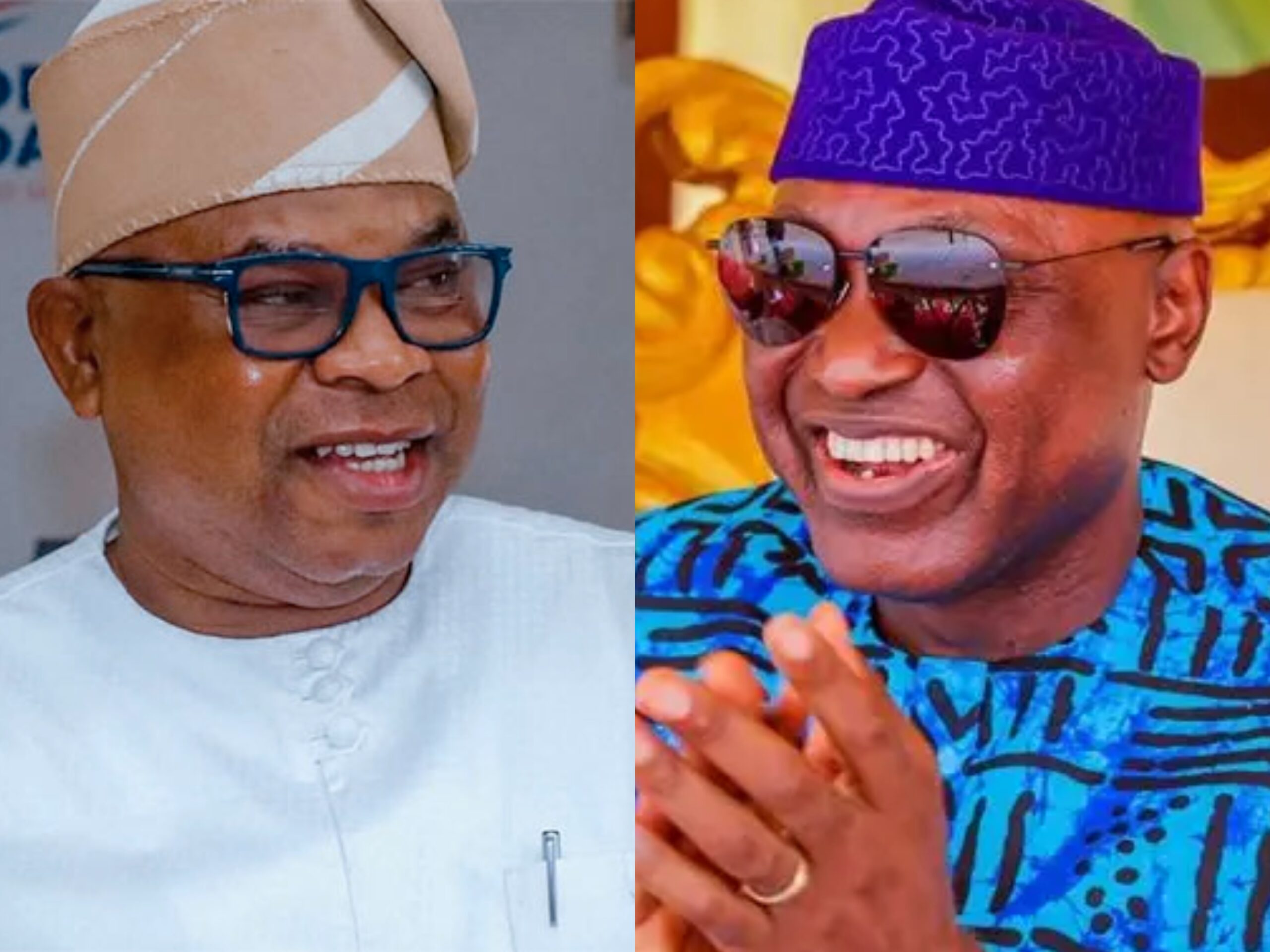
So the question many are asking now is simple and direct: Oyebanji and Oyebamiji, any difference? The answer, written in ballots and in lived experience, is “Yes, there’s a big difference.” And it has very little to do with names and everything to do with how each man met the people.
Start with presence. Governance in 2026 was not won through press releases. It was won on the road, in the market, in the classroom. From the day he took office, Oyebanji made himself available. He turned Ekiti into an open diary. He held town halls across all 16 local governments, not as a one-off campaign trick but as routine. He showed up unannounced at primary health centres in Ikole and Ikere, at schools in Ijero, at farm settlements in Oye. He sat with artisans in Ado, walked Oja Oba with market women, and spent time with farmers talking about inputs and off-takers. By June 20, Ekiti voters were not taking a leap of faith. They were renewing a contract with a landlord they had already seen sweeping the compound.
Oyebamiji came to the Osun contest with a strong credential. Eight years as Commissioner for Finance. He knows numbers, budgets, and the inner workings of government. That is important. But for most Osun voters, he was a name on documents, not a face in the community. When the campaign for August 15 began, he was introducing himself to people who had never seen him on their street. You cannot compress four years of visibility into twelve weeks of rallies and expect the electorate to feel a connection that was never built.
Then there is the question of access. Under Oyebanji, Government House in Ado ceased to be a fortress. BAO sat with labour leaders, student unions, traditional rulers, and transport workers without five layers of aides filtering every word. He took hard questions and gave direct answers. That openness dissolved the old idea that government is far and unreachable. In Ekiti, people began to say, “at least we can talk to him.”
Oyebamiji’s public service was defined by competence behind closed doors. FAAC meetings, budget defenses, memos, and policy papers. Respectable work, but invisible work. In 2026, Osun voters were asking a different question. Not just, “can he manage finances?” but, “can we reach him when there is trouble in my LGA?” On August 15, they answered with their votes.
The third difference is between assurance and credentials. Oyebanji did not go to Ekiti people in June asking them to imagine what he would do. He asked them to assess what he had already done. For four years they had seen prompt payment of salaries and pensions. They had seen rural roads opening up across the three senatorial districts. They had seen support for agriculture, investment in the Ekiti Knowledge Zone, and deliberate inclusion of young people in governance. Because they had seen it, they voted to continue it.
Oyebamiji ran on confidence built on experience. “I managed Osun finances for eight years,” he told voters. That is a serious claim. But Osun voters in August were voting with their memory, not with a CV. And their memory told them it was not yet time for a reset at the top.
There is also the matter of rapport. Oyebanji speaks the language of the people in every sense. “Egbon, bawo ni?” “Aburo, se o wa?” He understands the language and need of every group in the society. He associates with every community, attends naming ceremonies and funerals. He exchanges banters with market women and jokes with okada riders. He plays local games like _Ayo olopon,_ draughts, etc., under the trees with the common people. That familiarity created a calm in Ekiti politics that money could not have bought. People felt him, he felt them.
Oyebamiji’s strength was in structure, in party networks, in establishment backing. Structure wins primaries and it matters. But in a general election in 2026, voters wanted more than structure. They wanted connection, and they voted accordingly.
Finally, there is the difference between record and promise. Oyebanji had four years to define his government. He defined it as present, accountable, and responsive. Ekiti judged him on that record and gave him a second term. Oyebamiji had eight years to define himself from the inside of government. By August 15, Osun voters decided they wanted to see a new definition from the outside.
So, Oyebanji and Oyebamiji, any difference? Yes. One governor governed where the people could see him. The other aspired where the people could not feel him. One earned assurance daily. The other asked for confidence based on title.
June 20 and August 15 have settled it. In 2026, visibility beat credentials. Presence beat promises. And the people, as they often do when given the chance, got it right.
Segun Dipe writes on politics and governance.